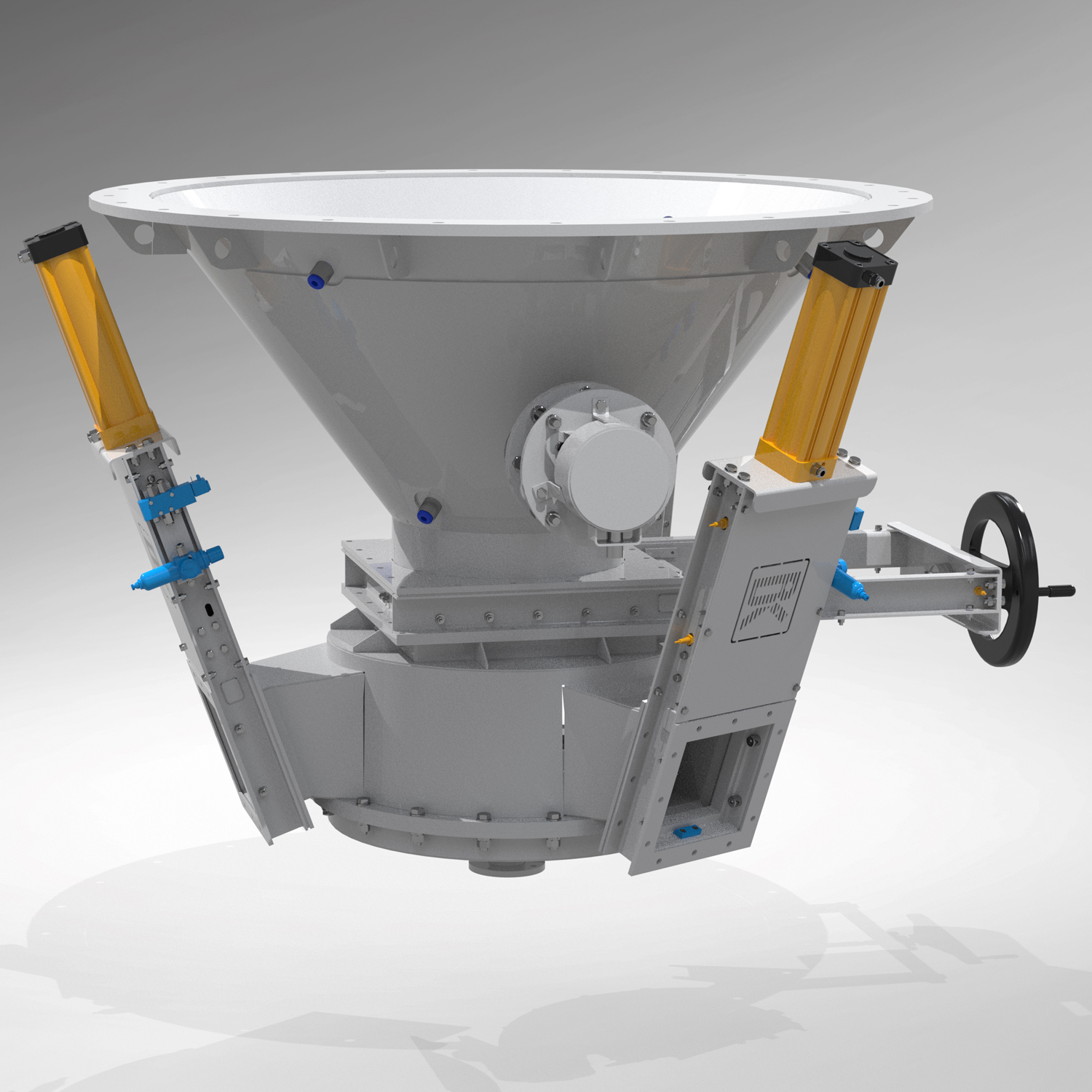
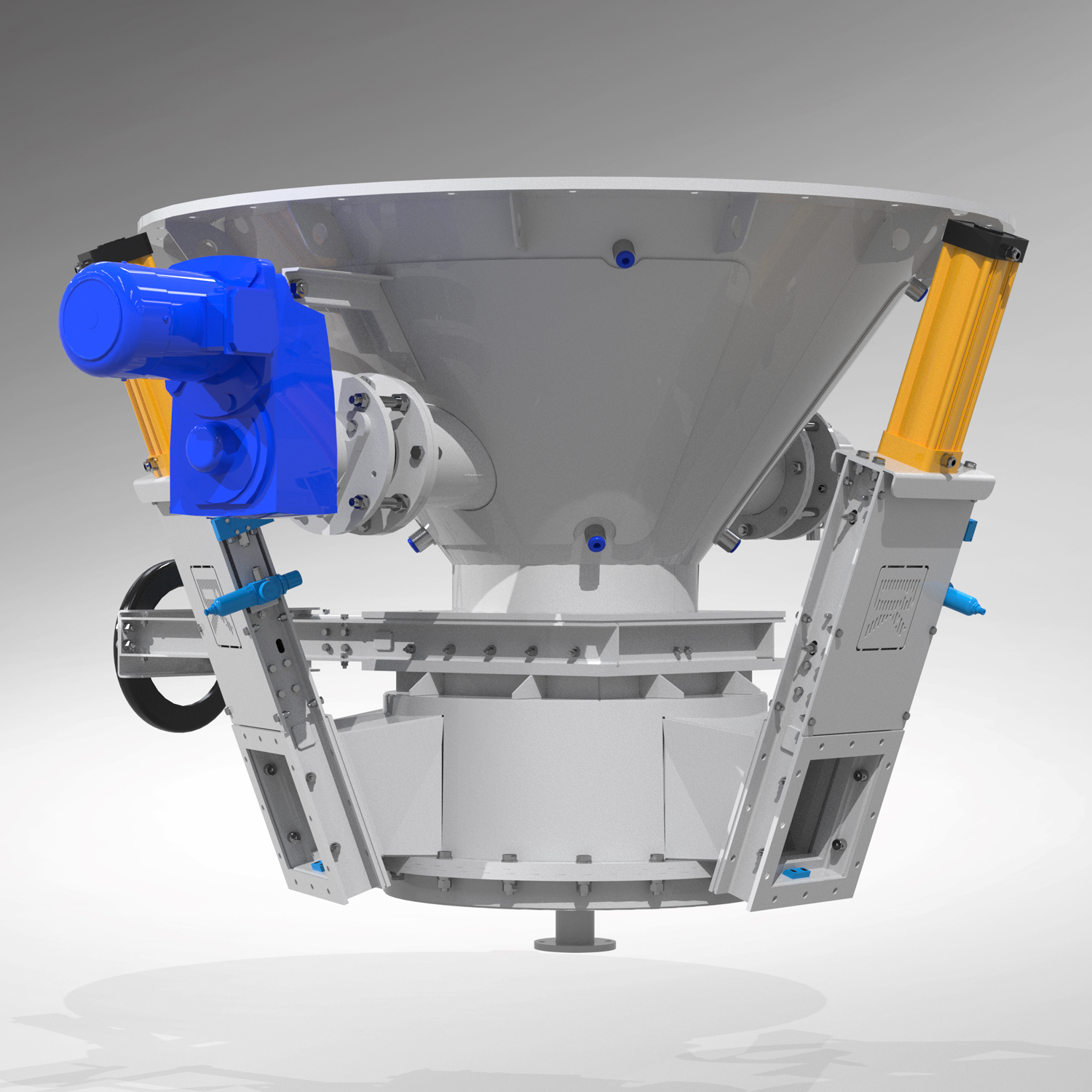
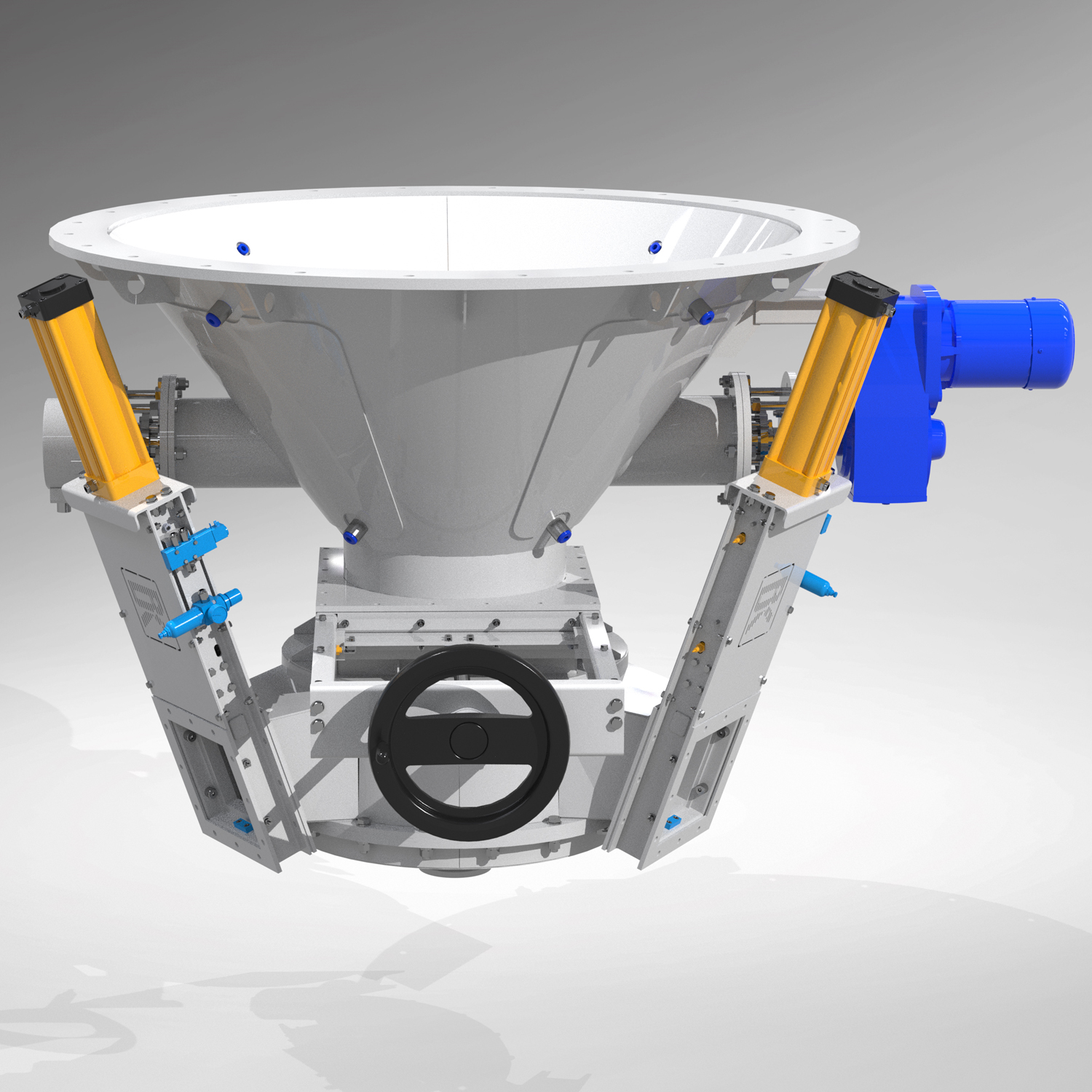
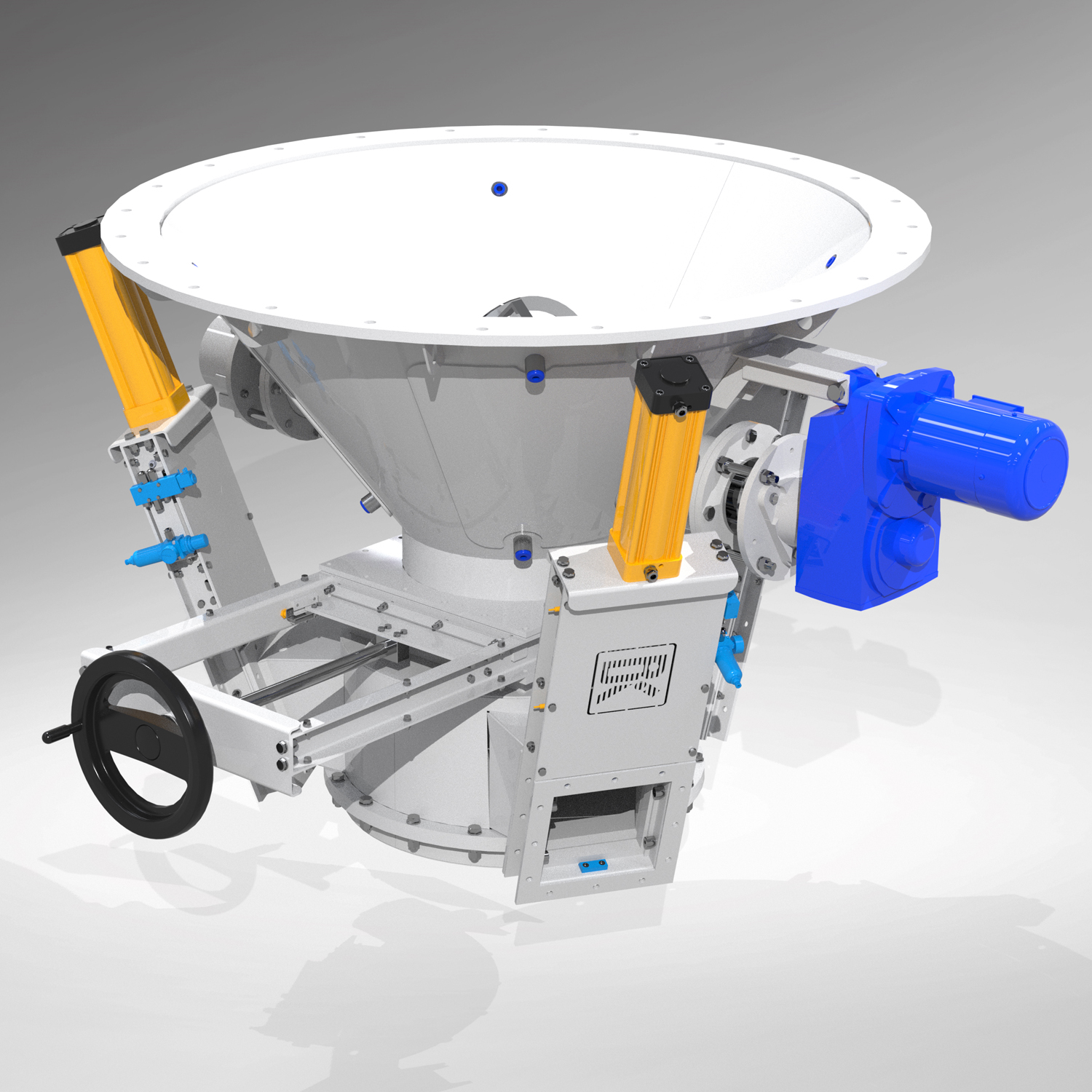
Silo discharge system BKDU

Storage:
Industry type:

Technical data:

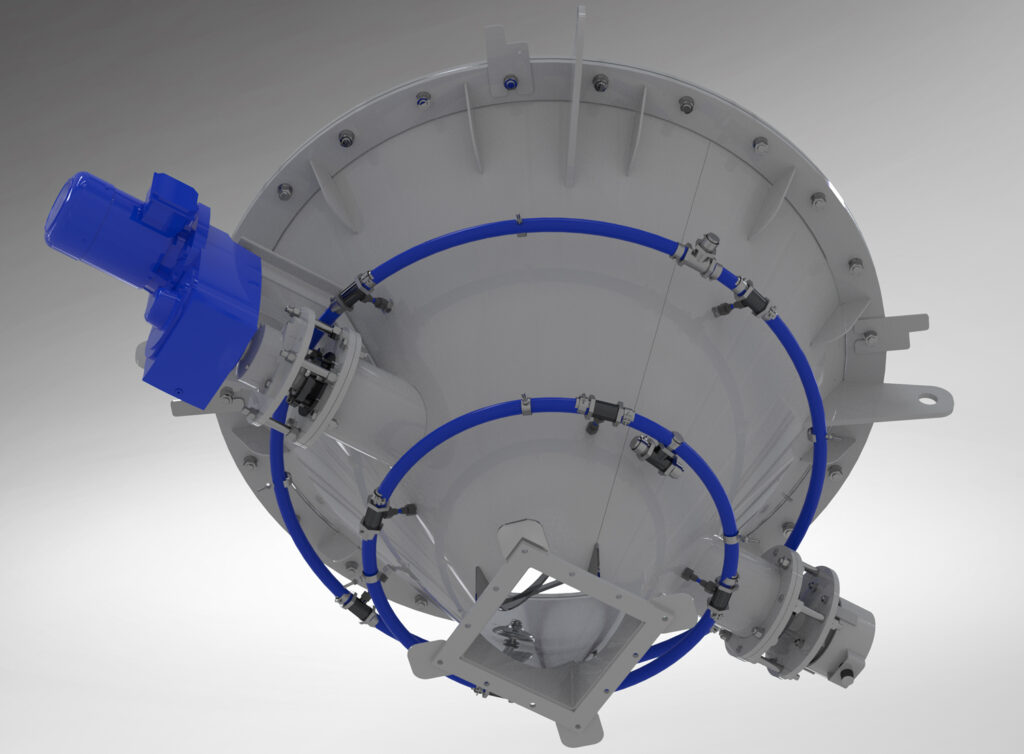
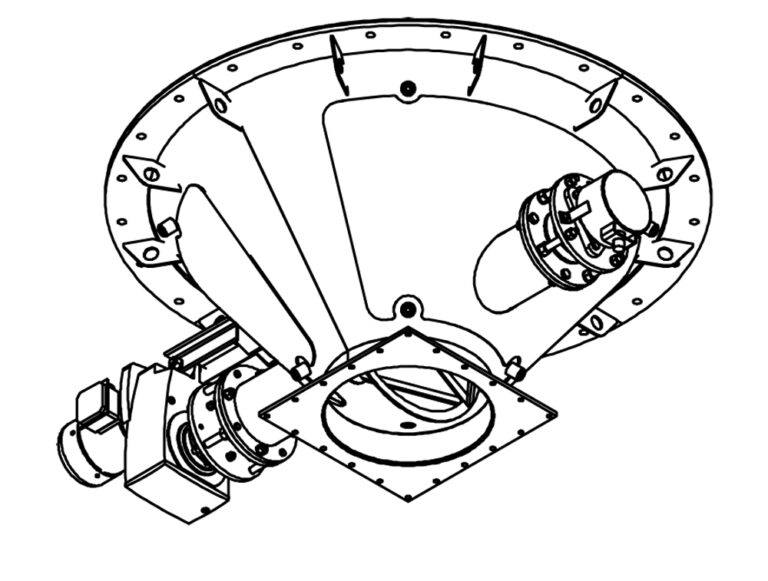
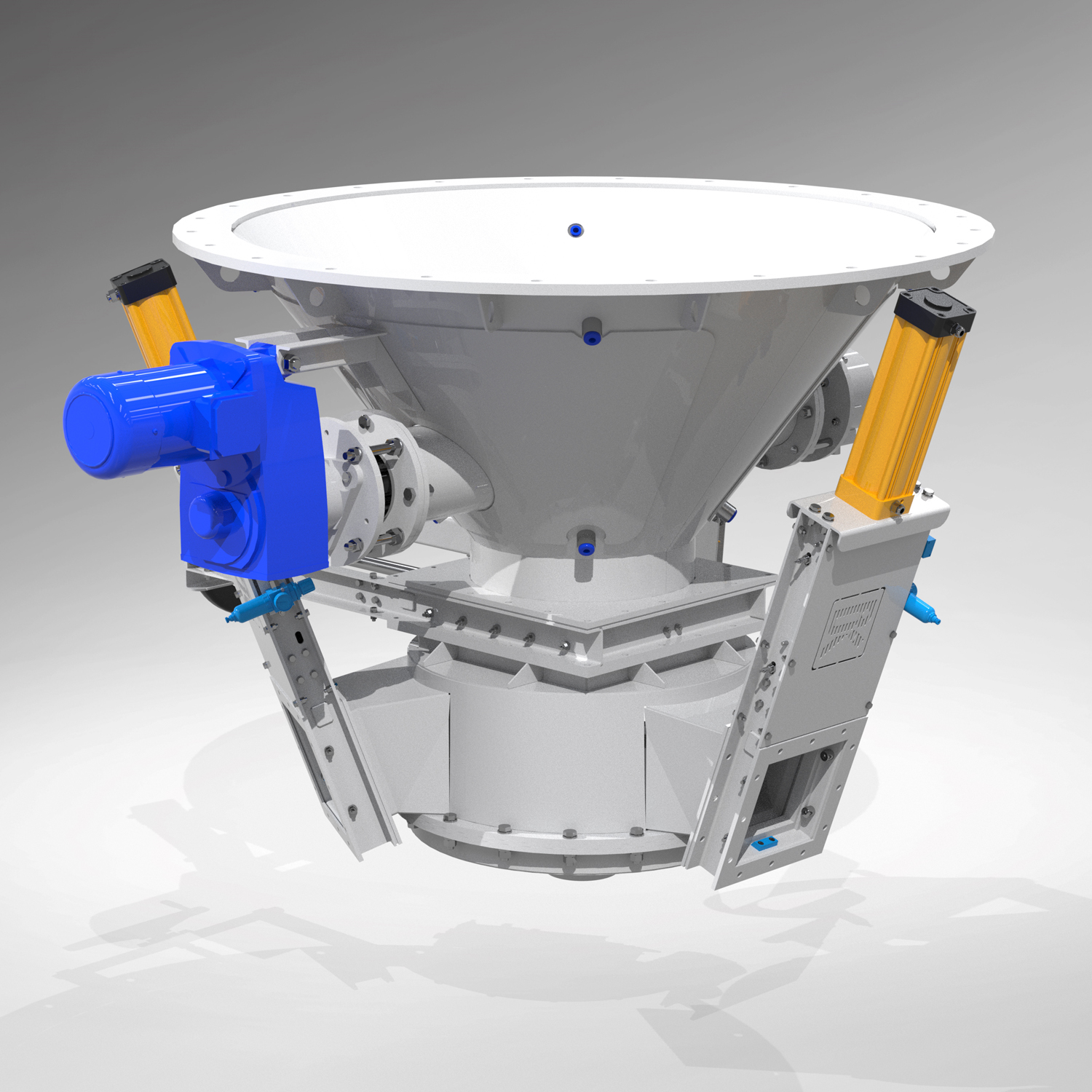
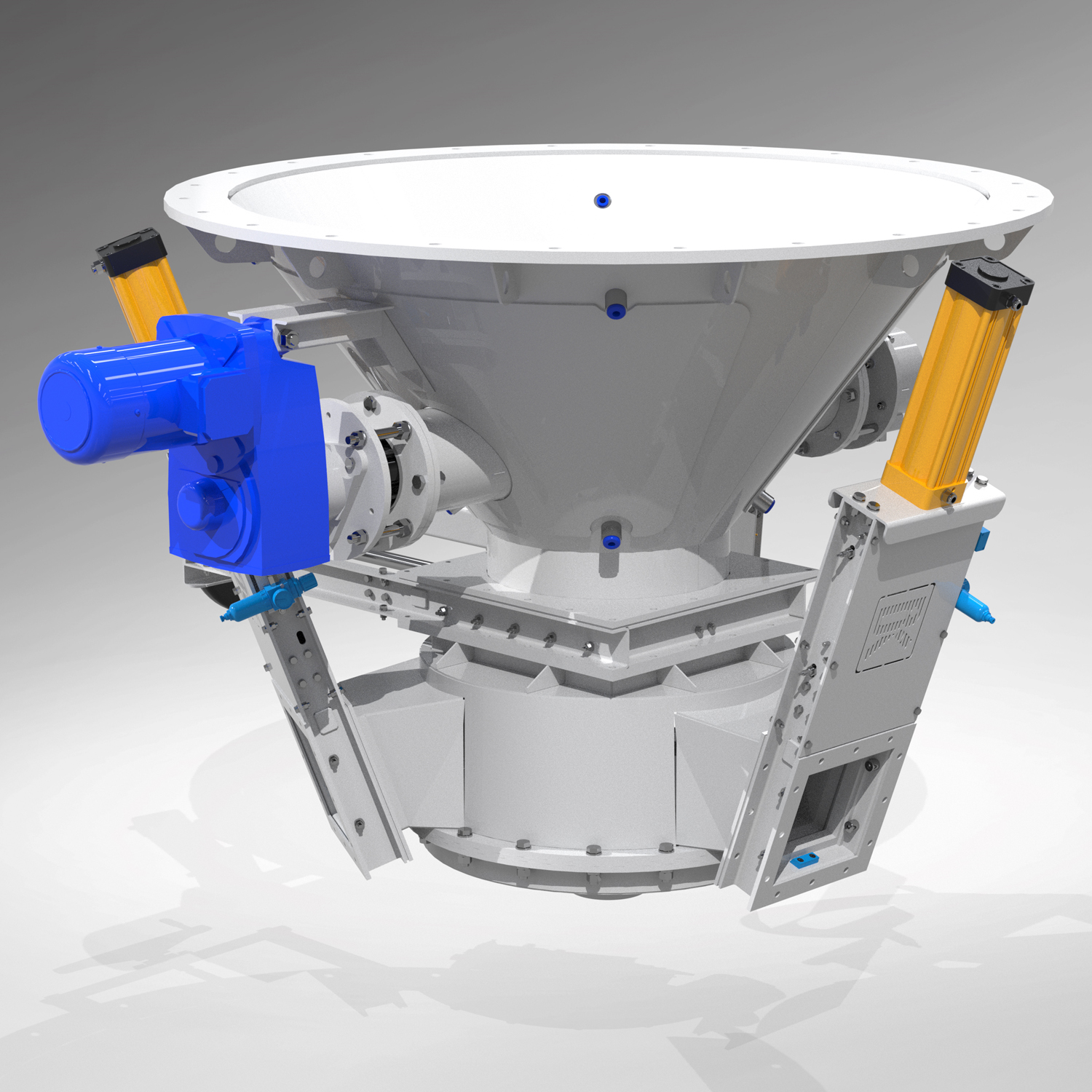
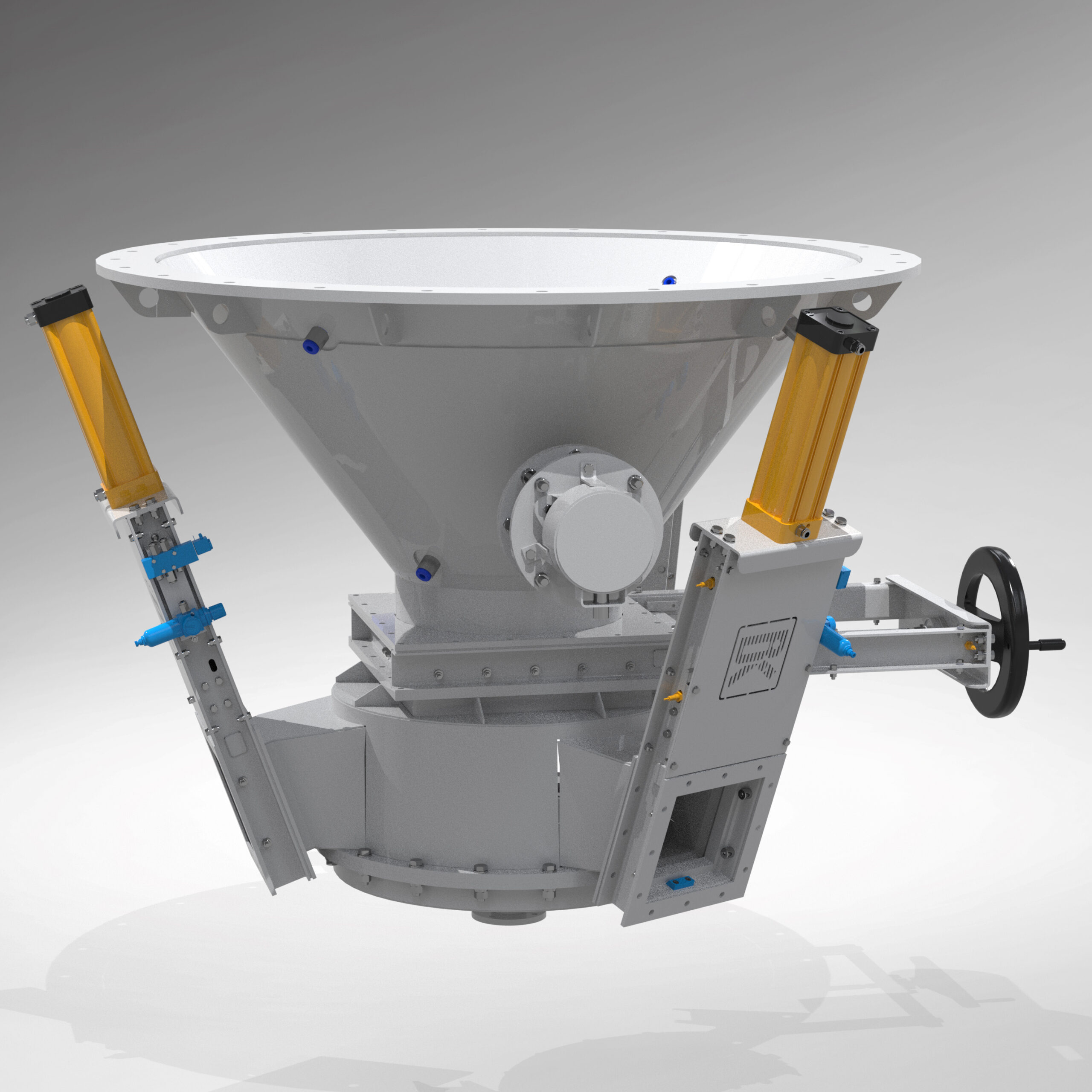
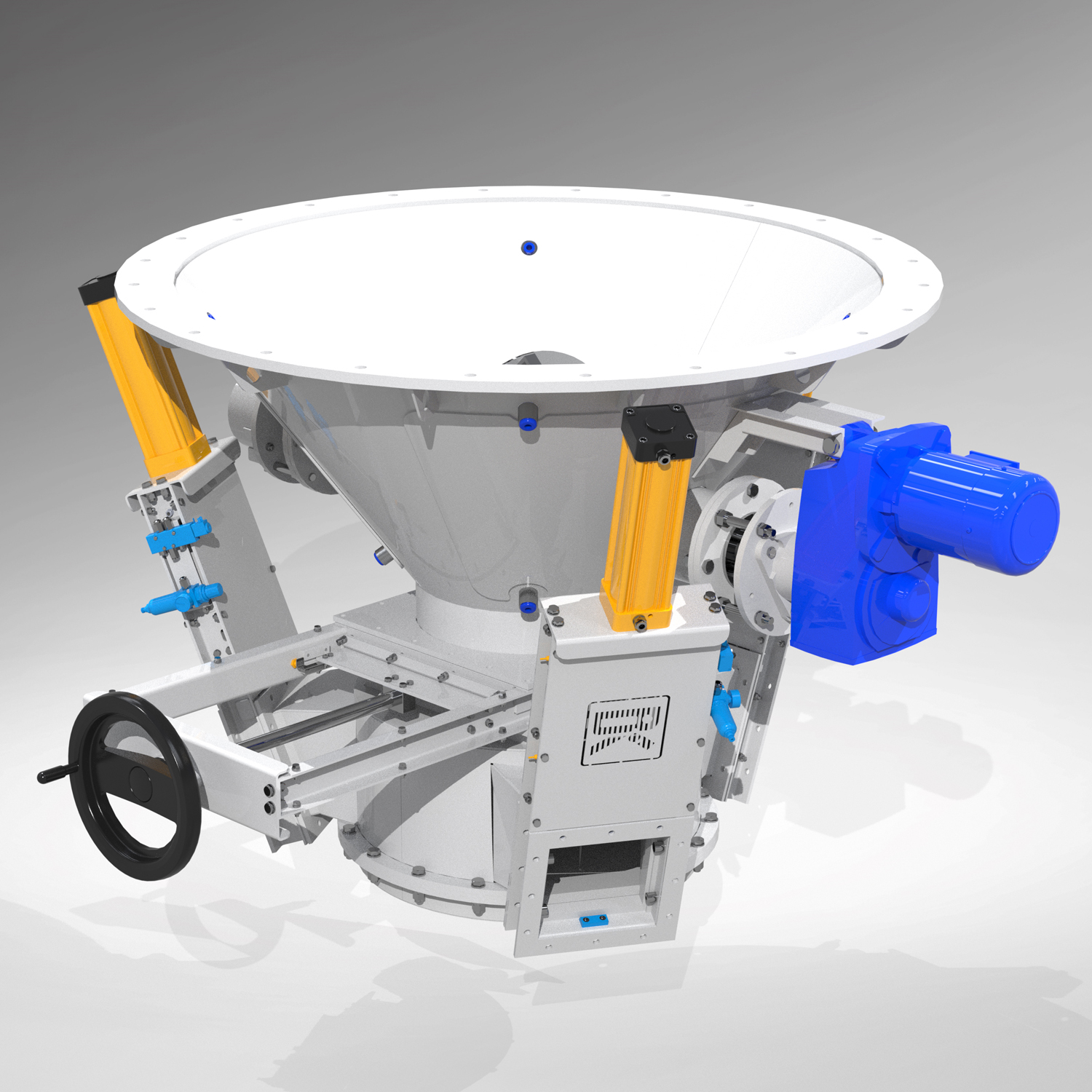
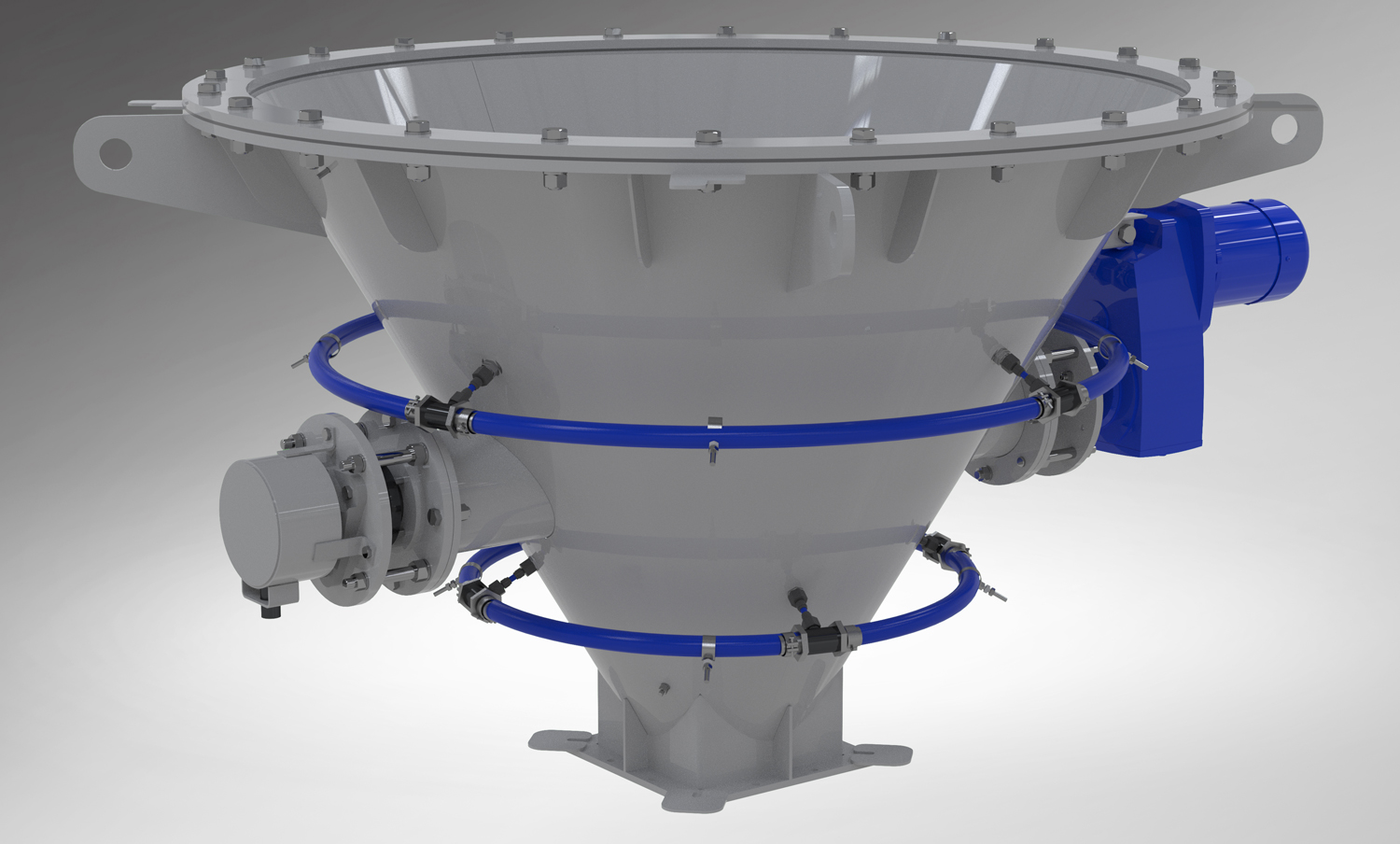
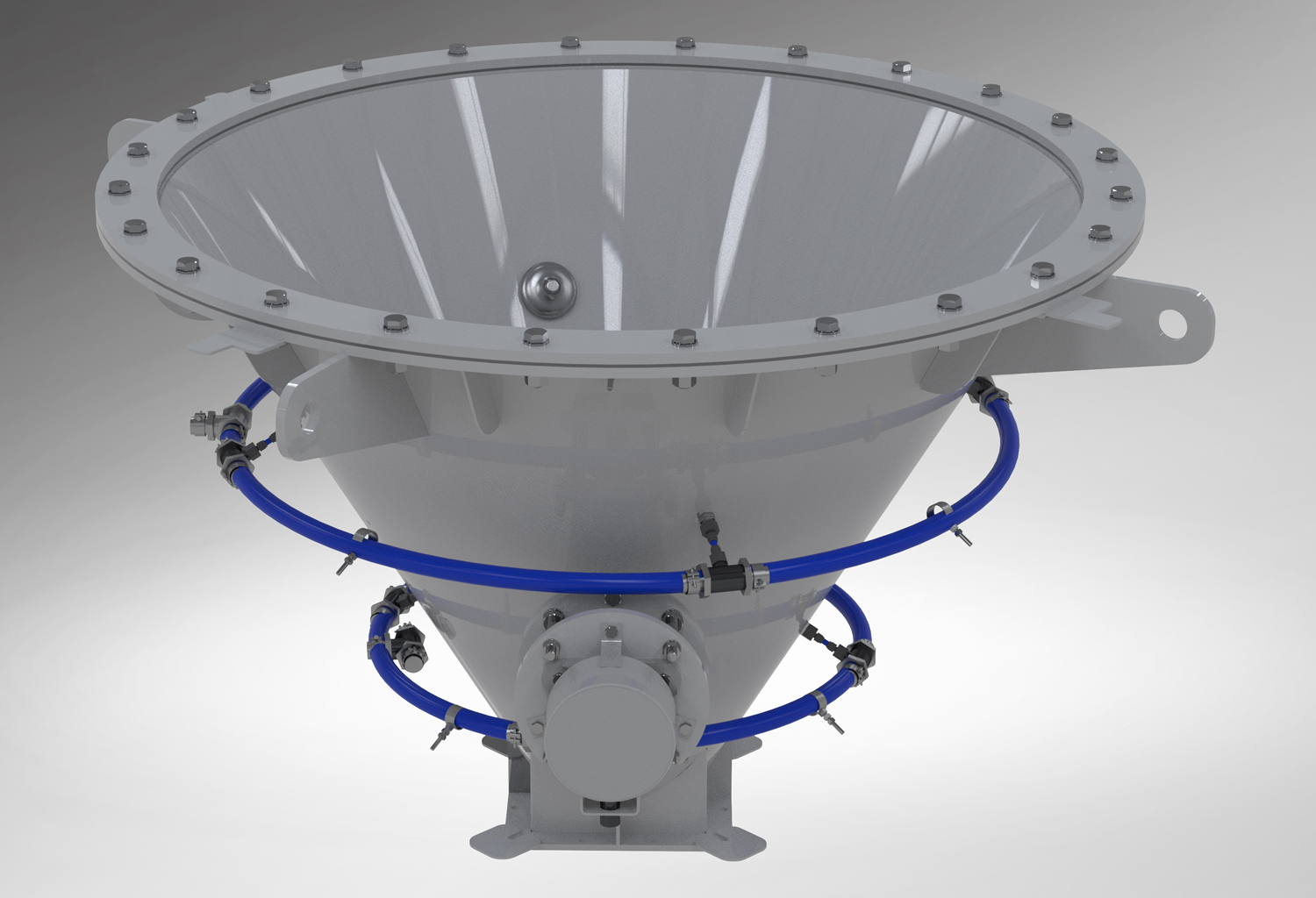
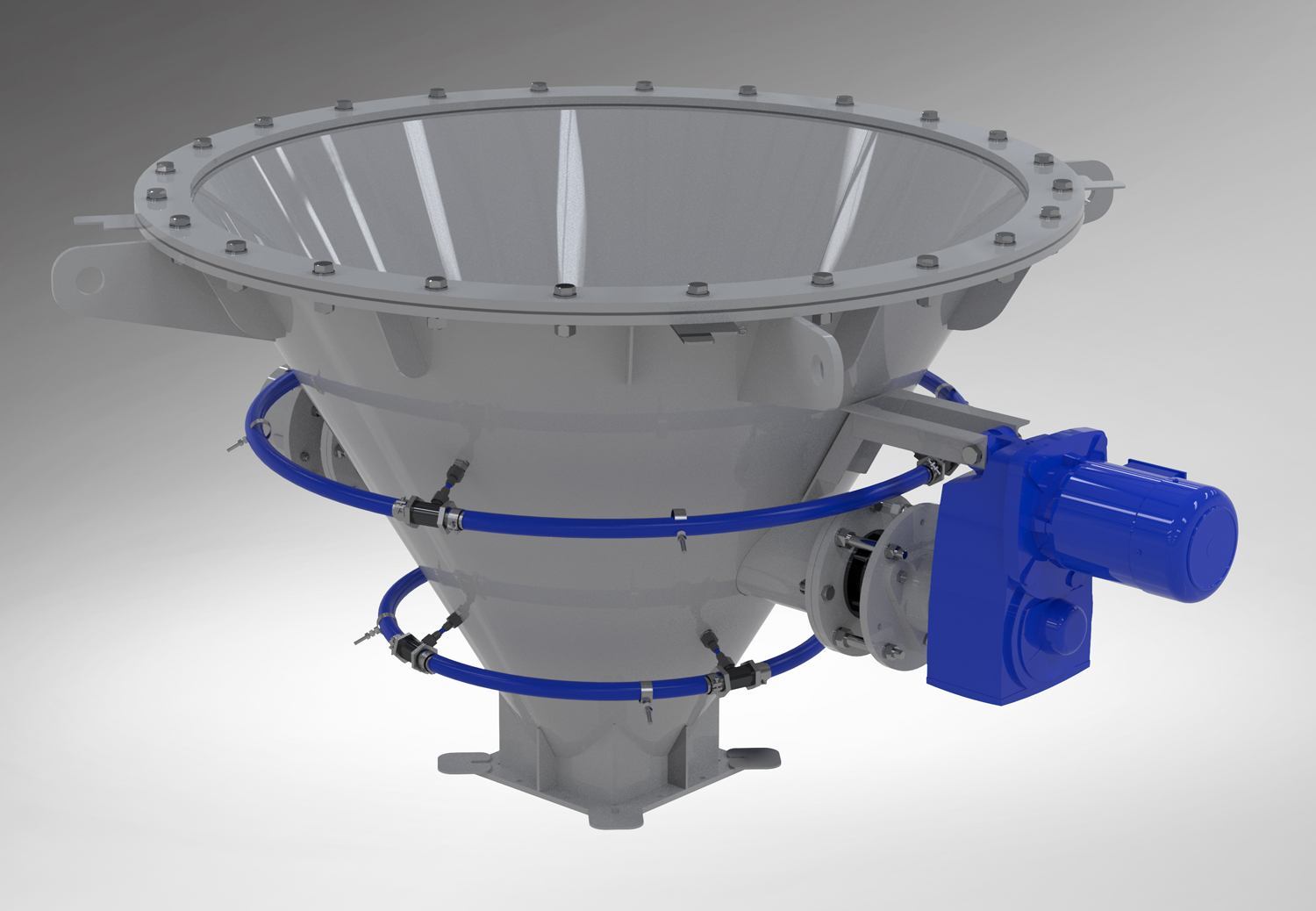
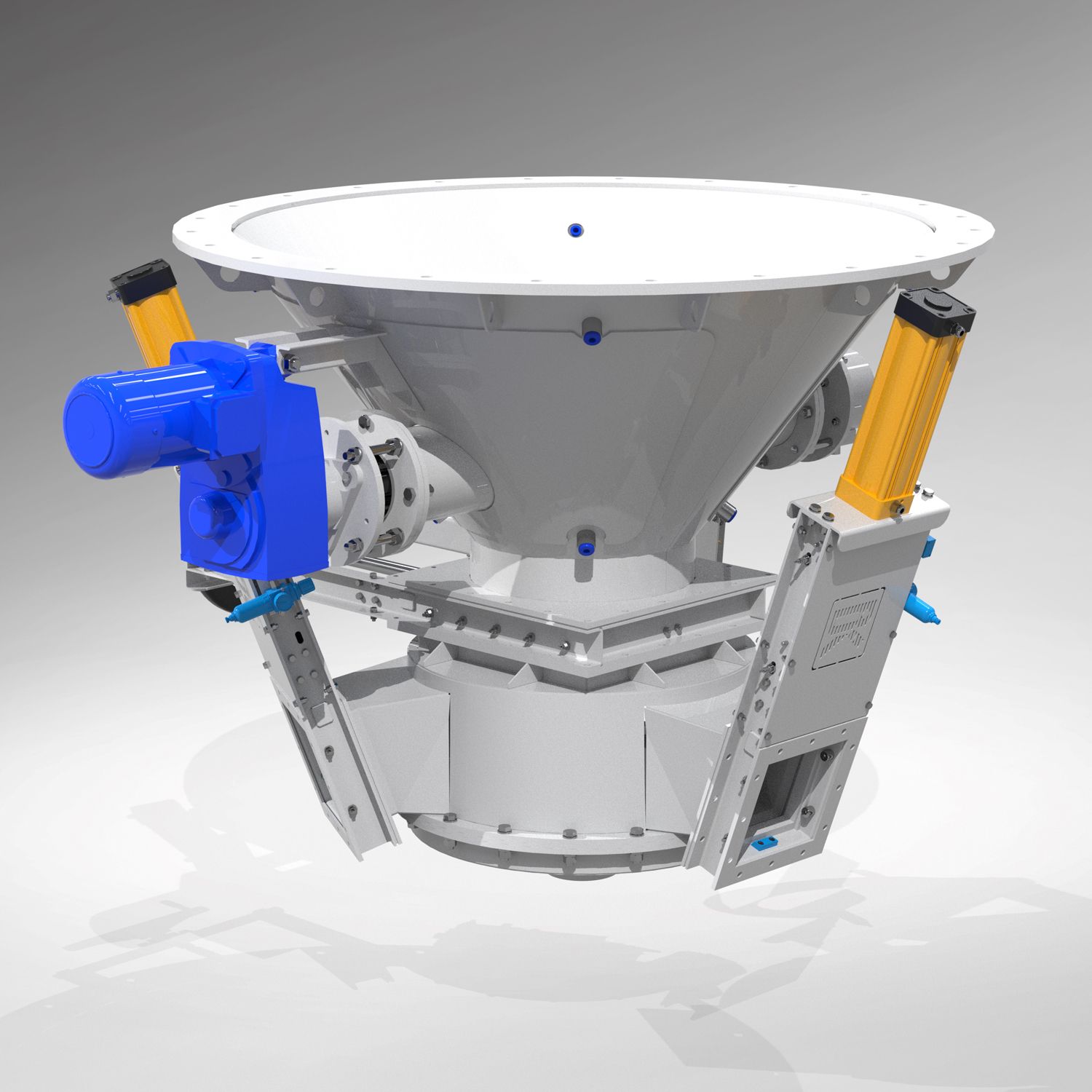
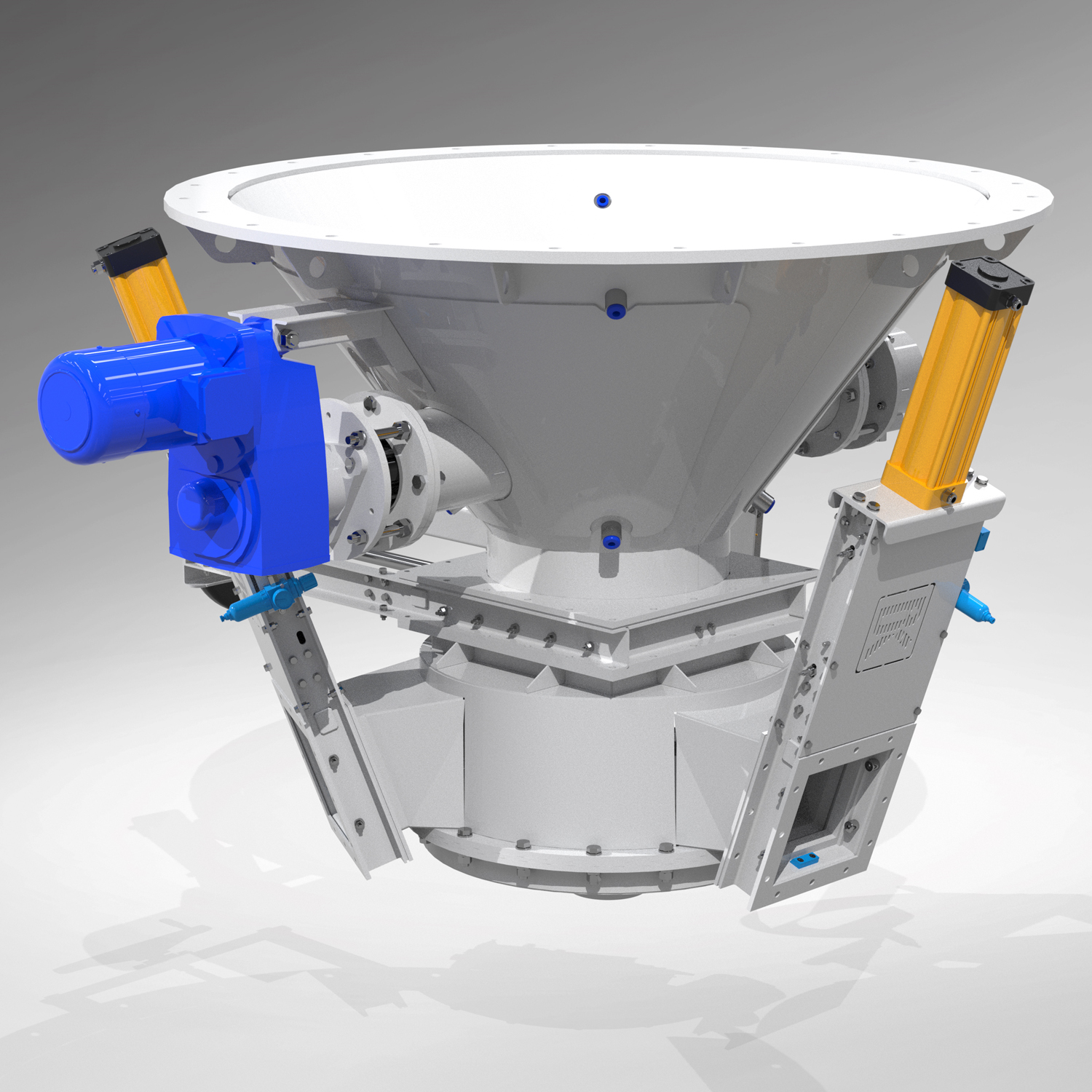
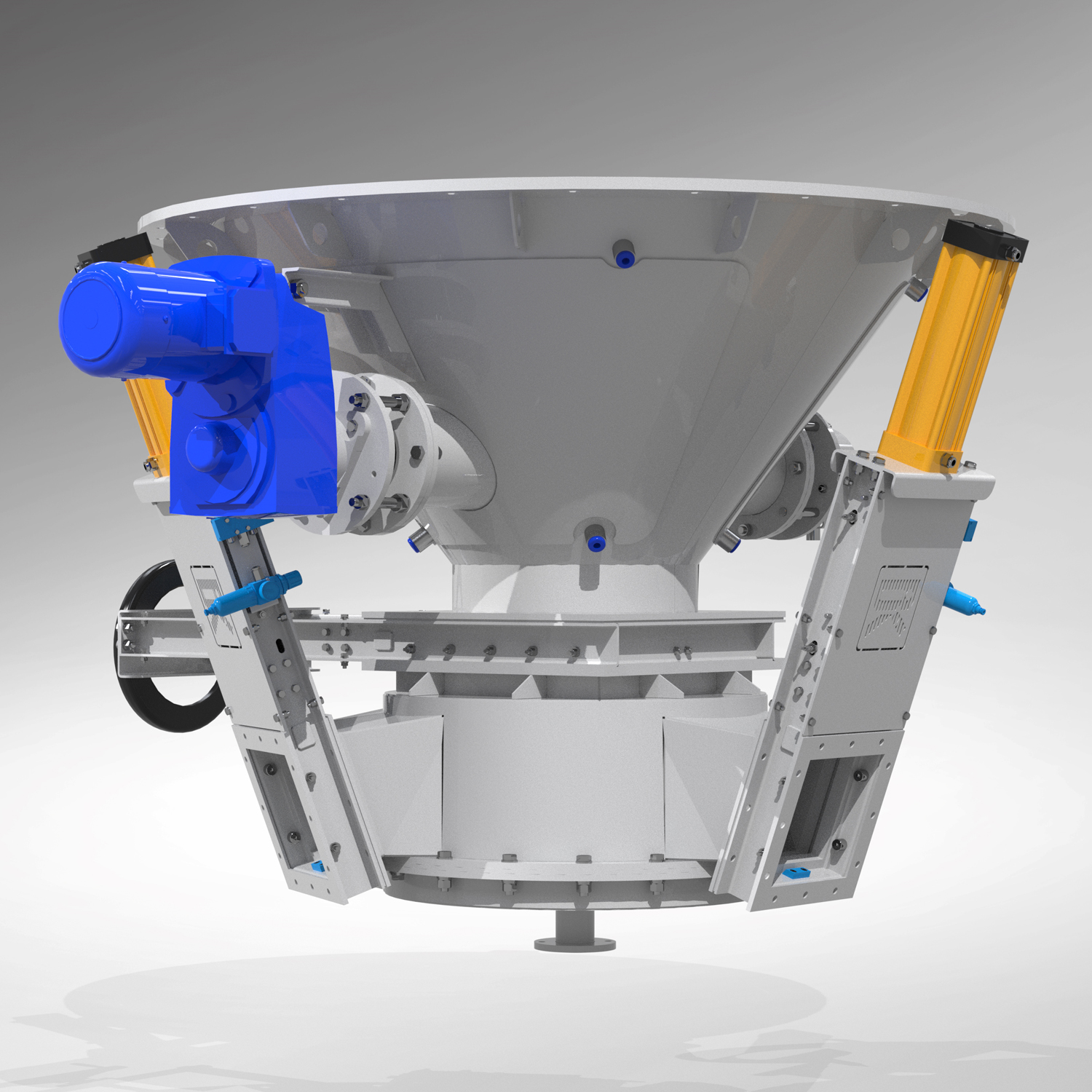
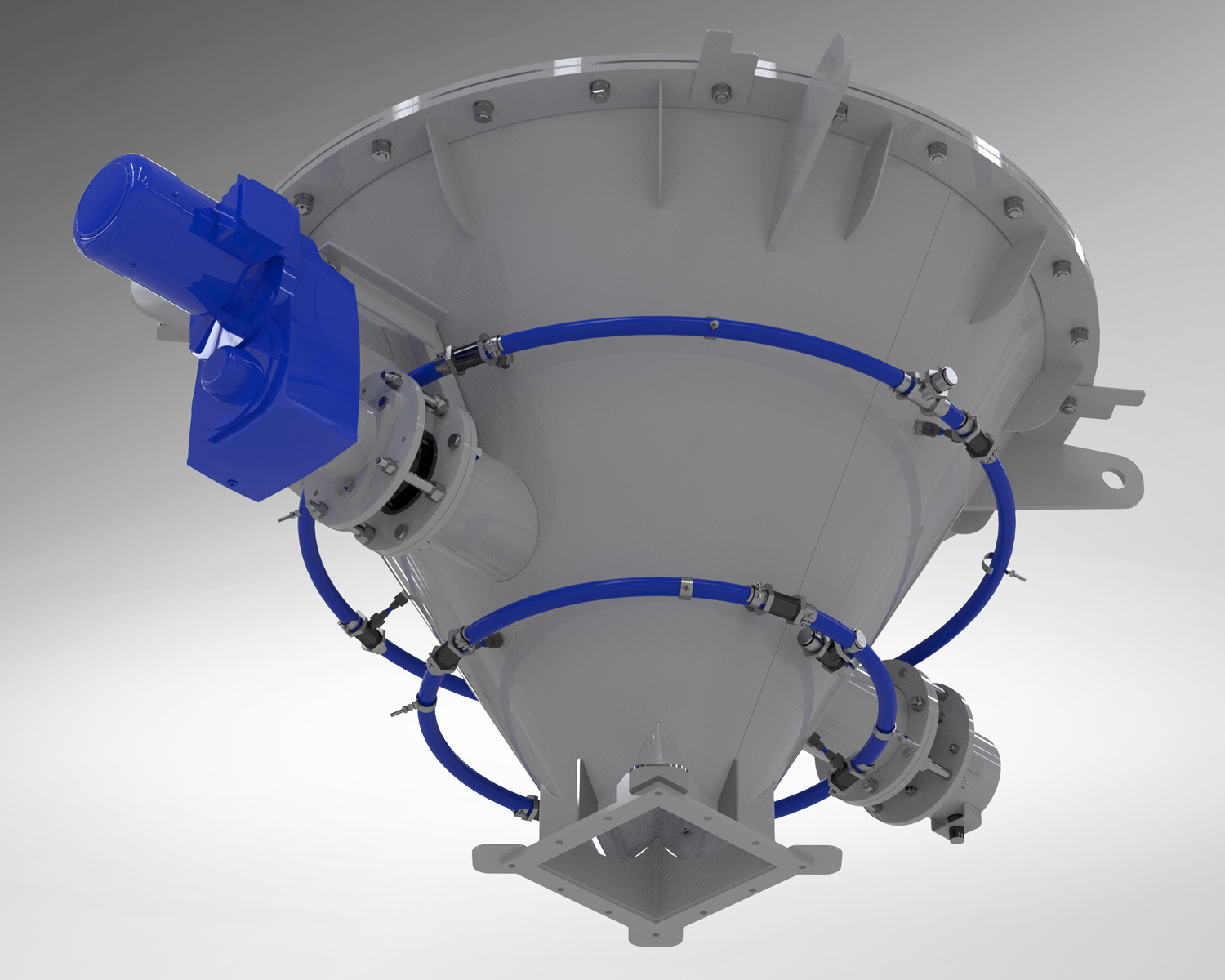
Mechanical silo discharge system BKDU

Storing dry bulk materials in silos and storage tanks is challenging because the “empty” space just above the stored product in the silo – called the expansion space – often suffers from condensation problems.
Condensation may be caused by humid transport air, lack of silo insulation, fluctuations in external temperature, general external humidity levels and the hygroscopic properties of the materials stored in the silo.

This becomes a problem because excessive moisture inside the silo not only increases the risk of material spoilage due to increased bacterial growth, but also makes it difficult to empty storage tanks.
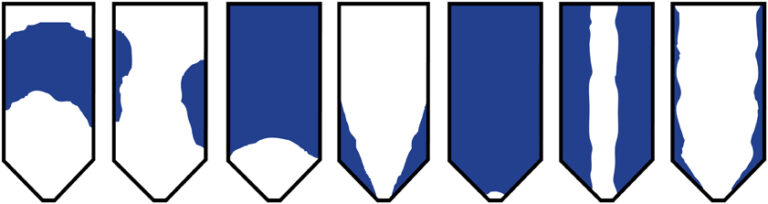
Material sticking to the sides of the silo, in extreme cases called “rat holing”, blocking the silo discharge, clumping, plugging, hanging or bridging the silo load are the most common cases of inability to empty the transport tank.

There are many hygroscopic materials used in industry, so cases where emptying silos becomes problematic are very common. Examples of such substances include: ammonium sulfate, baking powder, calcium phosphate, caustic soda, cocoa, coffee concrete, corn sugar, dextrose, salt, flour, gelatin, gypsum, lime and others.

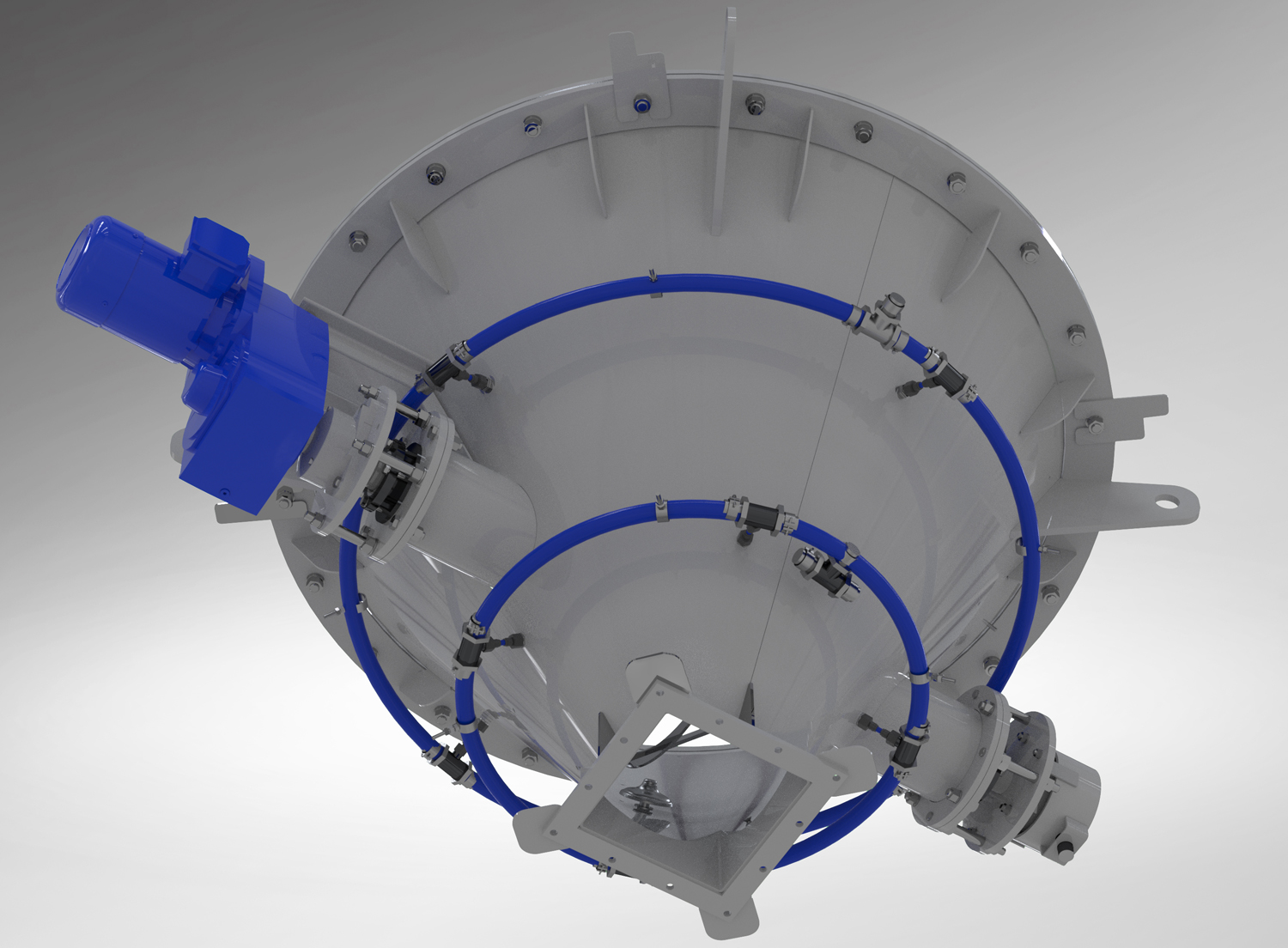
To minimize the impact of product accumulation, all types of mechanical deagglomerators are used, as well as vibrating bottoms equipped with special motovibrators or vibrating hammers. It is possible to install an additional fluidization/aeration system for the material. The use of additional aeration nozzles on the vibrating bottom cone is recommended especially during longer technological breaks when the material needs to be deaerated and in the case of powdered materials such as flour, lime, gypsum or hydrated lime.

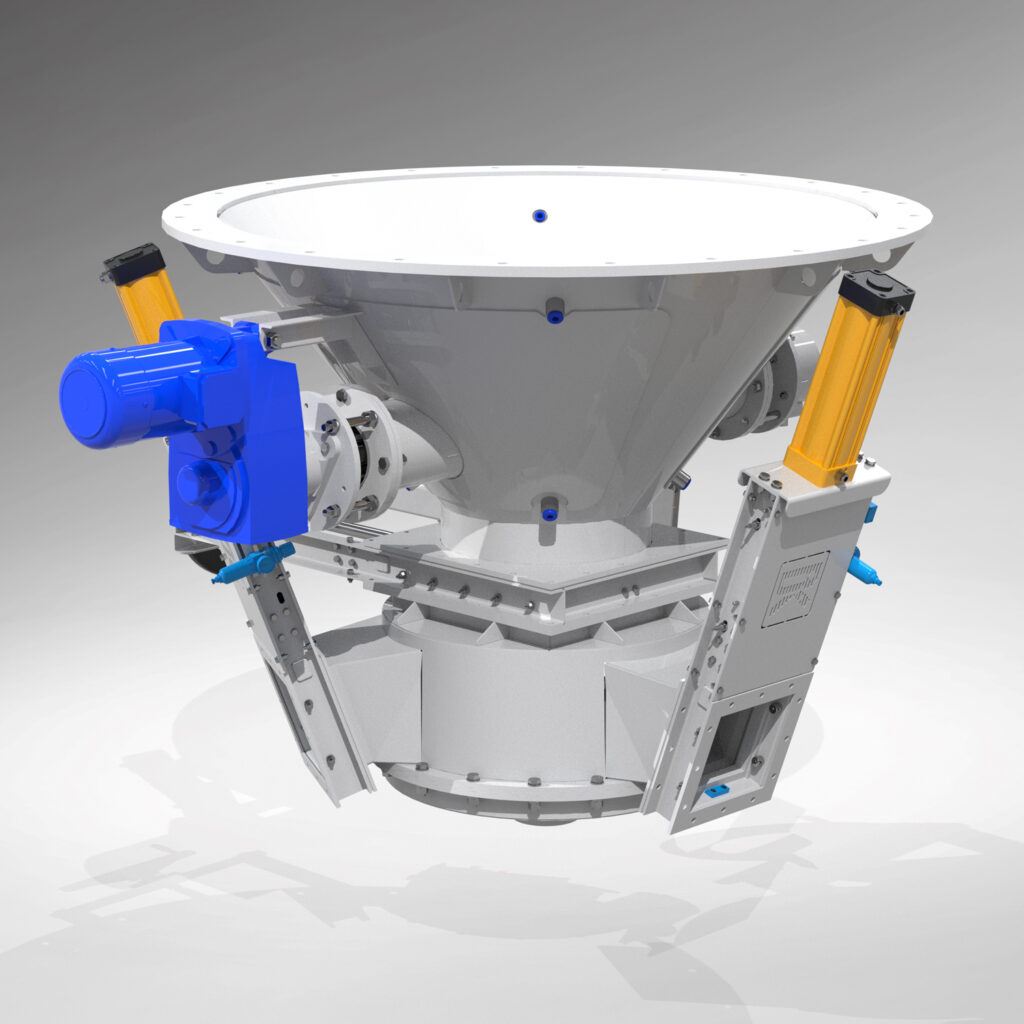
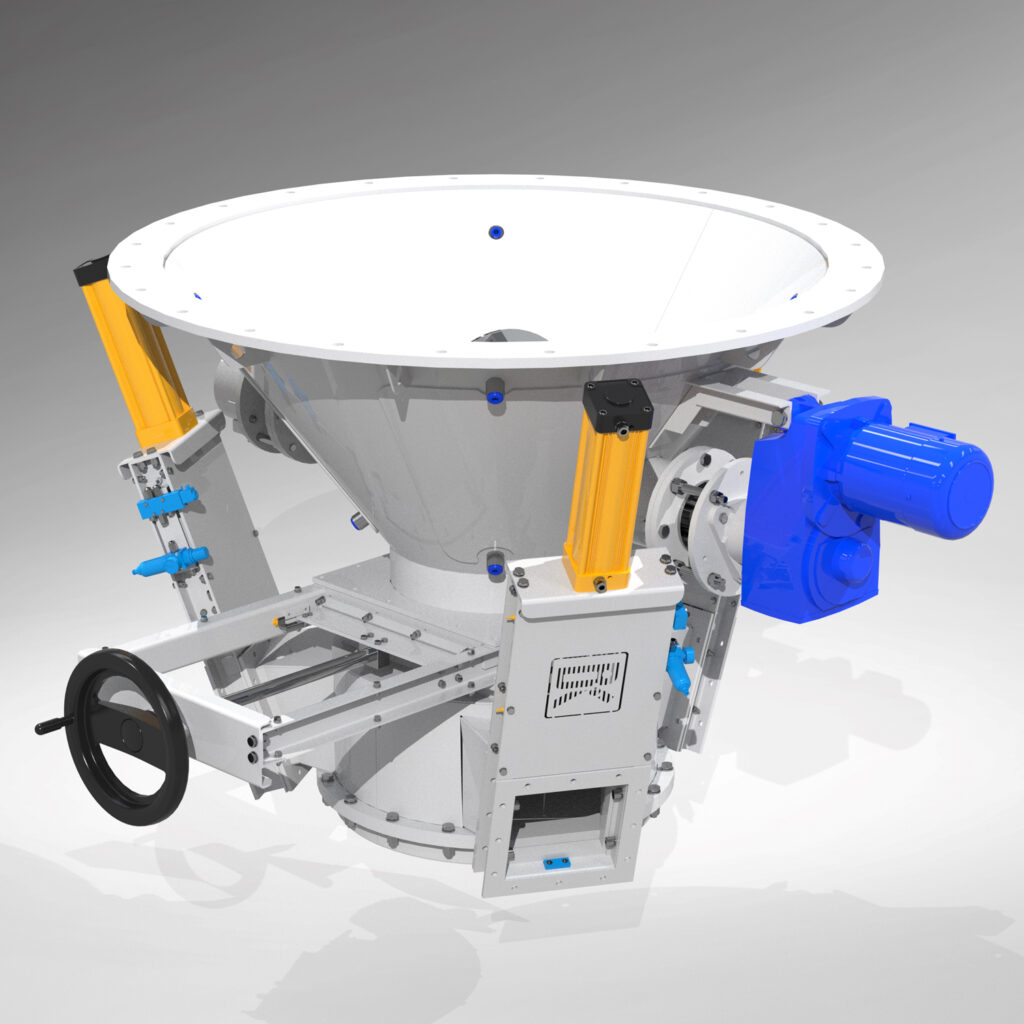
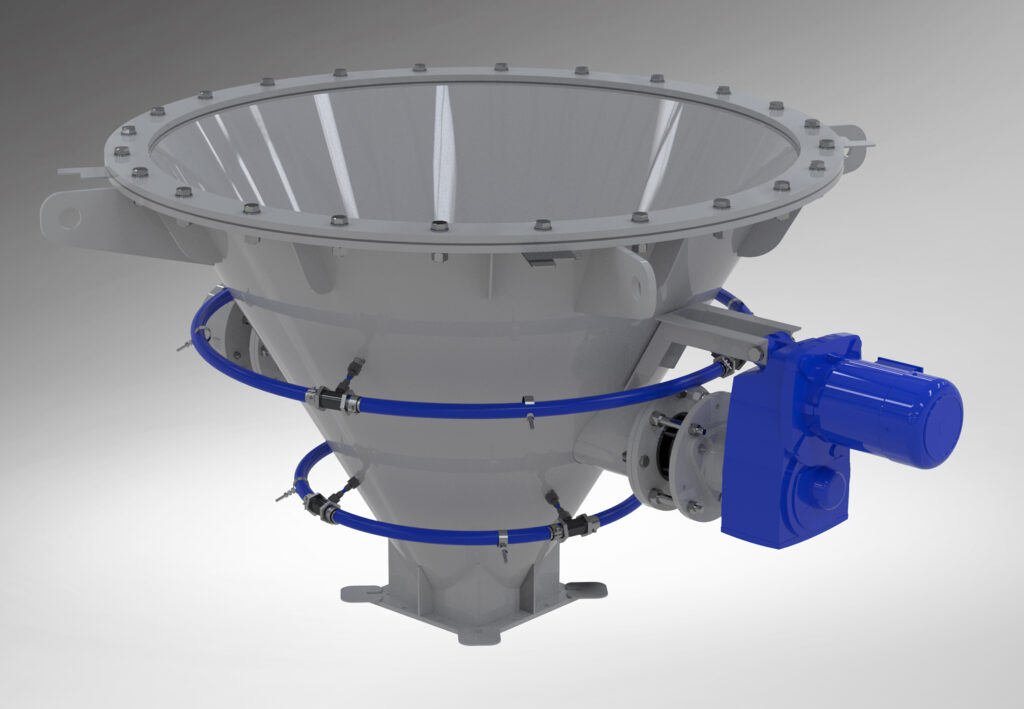
BKDU mechanical unloading support systems manufactured by Biko Tech are devices supporting the unloading of the so-called difficult loose products, dust, materials and fine pieces from silos and storage tanks.  Mechanical deagglomerators with a half-convex, half-conical shape are based on mechanical movement of the discharge zone, facilitating emptying and free flow of material from empty baskets and transport tanks or storage silos.
These devices serve specific applications, particularly in the food industry (especially in the field of grinding), and to facilitate the discharge of material in the form of dust, powder or granules. The use of mechanical deagglomerators ensures optimal emptying of storage tanks, creating a “mass flow” situation inside the silo, thus avoiding the phenomenon of concentration and blocking of the material discharge.

The smooth internal surface additionally supports the correct pouring of material.
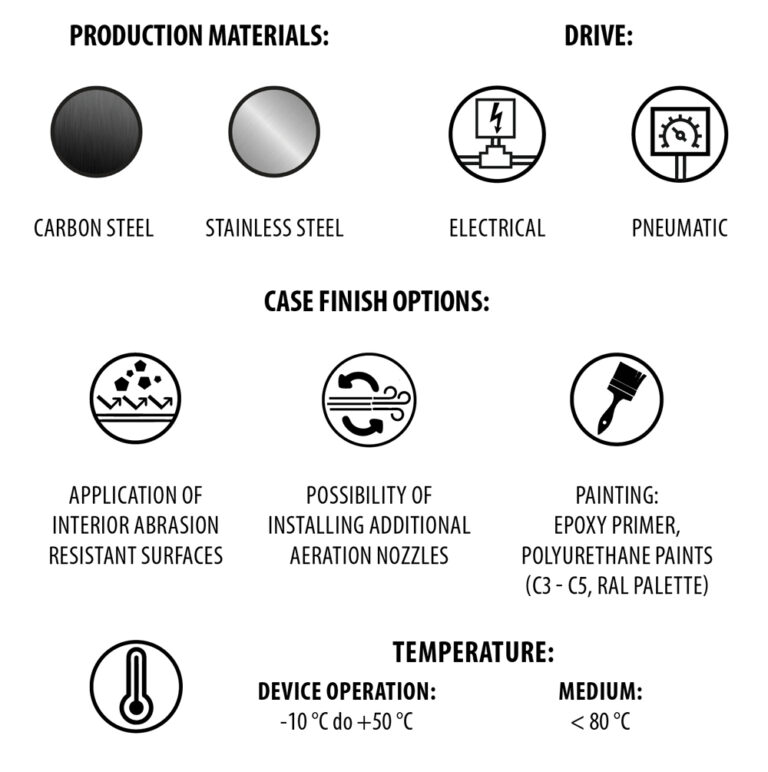
It is also possible to apply abrasion-resistant surfaces inside the hopper, e.g. thin stainless steel sheet or TIVAR, i.e. PE material.

In the vast majority of cases, mechanical agitation of the material alone is sufficient to ensure laminar flow of material from the silo and enable its unloading, however, it is possible to install additional material aeration nozzles, hammer vibrators and vibrating hammers. The result of material aeration and additional vibrations of the device cone is an uninterrupted and greater material flow through the bottom outlet for connecting any type of conveyor. The hopper, through its vibration, changes the resting friction of material particles between themselves and between the cone to become much smaller and more sliding.

The BKDU mechanical unloading support system is easy to operate by moving serviceable components to the outside of the cone. Unique design features ensure unloading support systems produced by Biko Tech operate completely safely throughout the entire period of use.

Biko Tech is able to design, conduct digital simulations of the process using DEM methods, produce and test prototypes of deagglomerators in order to optimize them in terms of energy consumption or achieve the required performance and operating characteristics. The combination of high-quality production materials and simple design results in the reliability of the devices.

Each unloading support system is individually analyzed in terms of the flow required by customers and the parameters of the material being poured.

Download